Thursday, January 10, 2019

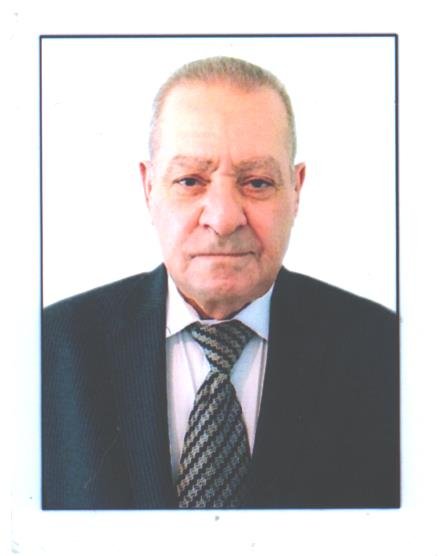
Azərbaycan onomastikasının fəhləsi 80 yaşında


AYDIN PAŞAYEV – 80


Dünyaya gələn hər bir insanın həyat yolu, ömür tarixi var. Bu tarixin məzmunu o insanın həyatda gördüyü işiylə, əməliylə, başqalarına qarşı münasibətiylə, yoldaşlığı, dostluğu ilə müəyyənləşir.
Elə insanlar var ki, ayaq tutub yerimək istədiyi anından kimliyini, gələcəkdə tutacağı mövqeyi müəyyən etmək olur. Belələri nə əlavə izahata, nə köməkçi bir əlamətə, nə də fəxri ada ehtiyac duyurlar. Vəzifə, mənsəb, rütbə də onları bəzəmir. Əksinə, onlar tutduğu yeri, rütbəni, vəzifəni bəzəyirlər. Ömrünün 47 ilini gənc nəslin təlim- tərbiyəsinə həsr eləmiş, fəhləlikdən elmlər doktorluğuna qədər çətin, keşməkeşli həyat yolu keçmiş Aydın Məmməd oğlu Paşayev də belə şəxsiyyətlərdəndir.
Aydın Paşayev 1939-cu il yanvarın 22-də Masallı rayonun Kəlbəhüseynli kəndində anadan olmuşdur. Orta təhsilini 1956-cı ildə Masallının Təklə kənd məktəbində aldıqdan sonra 12 il Bakı Tikinti İdarələrində fəhlə işləmişdir. 1958-ci ildə ordu sıralarına çağırılmışdır. Kiçik komandirlər hazırlayan Alay məktəbini qurtarmış, serjant kimi bölmə komandiri, komandir vzvod olmuş, kiçik leytenant hərbi rütbəsi ilə ordudan tərxis olunmuşdur.
Onun əsl qaynar həyatı da elə bundan sonra başlayır. İstehsalatdan ayrılmadan, 1967-ci ildə ADPİ-nin axşam şöbəsinin Azərbaycan dili və ədəbiyyatı fakültəsini bitirir, Bakının müxtəlif məktəblərində müəllim, direktor müavini, direktor vəzifələrində çalışir. Həmin illərdə o, yaradıcı müəllim kimi Pedaqoji Cəmiyyətin respublika üzrə keçirdiyi müsabiqələrdə 2 dəfə qalib gəlir və pul mükafatı ilə mükafatlandırılır. Təhsil Nazirliyi tərəfindən “Baş müəllim”,
“Metodist müəllim” döş nişanları, 1982-ci ildə isə “Əmək veteranı” medalı ilə təltif edilir.
Aydın Paşayev pedaqoji fəaliyyətindən ayrılmadan 1987-ci ildə “Azərbaycan dilində ləqəblər” mövzusunda namizədlik dissertasiyası müdafiə etmiş, filologiya elmləri namizədi alimlik adını almışdır. 1990-cı ildən Bakı Müəllimləri Təkmilləşdirmə İnstitutunda metodist olan Aydın müəllim çox keçmir ki, həmin institutda Azərbaycan dili və ədəbiyyatı kafedrasının müdiri vəzifəsində işləyir.
Kafedra müdiri olduğu 2008-2015-ci illərdə 2 dəfə “İlin ən yaxşı tədqiqatçısı”, kafedra isə 2 dəfə “İlin ən qabaqcıl kafedrası” adlarına layiq görülmüşdür. O, 2010-cu ildə “Azərbaycan şəxs adlarının leksik problemləri” mövzusunda doktorluq dissertasiyasını müdafiə edərək, filologiya elmləri doktoru elmi adını almışdır.
Bir alim, elm adamı kimi Aydın Paşayevin yaradıcılığı çox zəngin və rəngarəngdir. O, 35 elmi, elmi-metodik monoqrafiya, lüğət, metodik vəsait, 250-dən çox məqalənin müəllifidir.
Aydın Paşayevi Azərbaycan onomastikasının fəhləsi adlandıranlar yanılmamışdır. Onun pr. Musa Adilovla birlikdə yazdığı “Azərbaycan onomastikası” (1987) kitabı Azərbaycan dilçiliyində bu mövzuda yazılmış ilk əsərdir. Filoloji fakültələrinin tələbələri üçün dərs vəsaiti kimi nəzərdə tutulan bu kitabda ilk dəfə olaraq onomastikanın bir çox mühüm sahələri (toponim, antroponim, zoonim və s.) kompleks halda tədqiq olunmuşdur. “Azərbaycan onomastikası. İzahlı terminoloji lüğət” (2005) adlanan və 2000-dən çox terminin izah olunduğu 480 səhifəlik lüğət isə keçmiş Sovetlər İttifaqında ən mükəmməl lüğət hesab edilmişdir.
Aydın Paşayev onomastik bilikləri ilk dəfə olaraq təlim prosesi ilə əlaqəndirməyə çalışmışdır. Bir sıra məqalələri, “Xəmsə”də bəzi adların yazılışına dair” (1990), “Azərbaycan dili dərslərində xüsusi adların izahı” (1991) adlı metodik vəsaitləri məhz bununla bağlıdır. “Azərbaycan dili dərslərində ümumi və xüsusi sözlərin müqayisəli tədrisi məsələləri” (2005) monoqrafiyasında ümumi və xüsusi sözlərin fonetik, leksik və qrammatik xüsusiyyətləri müqayisəli şəkildə tədqiq olunmuşdur. Onun “Bədii üslubda obrazlılığın ifadə imkanları” (E.Cəfərova ilə birlikdə, 2006) kitabında isə bədii ədəbiyyatda işlənən şəxs adlarında fonetik (anafora, epifora, anaforik epifora və s.), leksik (omonimlik, sinonimlik, antonimlik), üslubi (epitet, bənzətmə, metafora, metonimiya və s.) cəhətdən obrazlılığın yaradılması zəngin nümunələrlə izah olunmuşdur.
Zəhmətkeş alimin “Azərbaycan şəxs adları” (1996), “Azərbaycan antroponimikasının leksik problemləri” (1997) və “Azərbaycan antroponimikası” (2015) monoqrafiyalarında əsl ad, ata adı, soy adı, təxəllüs, ləqəb və titulların oxşar və fərqli cəhəttləri müqayisə edilmiş, leksik xüsusiyyətlərinə aydınlıq gətirilmişdir.
Aydın Paşayevin “Azərbaycan şəxs adlarının izahlı lüğəti” (Bəşirova Alimə ilə birlikdə, 2003 və 2011) isə mübaliğəsiz deyə bilərik ki, Azərbaycan dilində mükəmməl əsl adlar lüğətidir. Lüğətdə 12 minə yaxın kişi və qadın adının siyahısı verilmiş, 7 mindən çox ad etimoloji cəhətdən izah olunmuşdur. “Xəmsə”də xüsusi adların izahlı lüğəti (Poetik onomastikon)” (2013) adlı lüğəti də öz orijinallığı ilə diqqəti cəlb edir. Lüğətdə işlənən bütün xüsusi adlar (toponim, antroponim, zoonim, etnonim, fitonim, astronim və s.) etimoloji cəhətdən izah olunmuşdur. “Nizami Gəncəvinin poetik adlar aləmi (Poetik antroponimika)” (2010) monoqrafiyasında “Xəmsə”də işlənən obraz, bənzətmə və xatırlama adlarının həm leksik, həm də üslubi xüsusiyyətləri tədqiq edilmişdir.
Yeri gəlmişkən, onu da demək lazımdır ki, tək bir sənətkarın əsərlərində işlənən xüsusi adların izahlı lüğətini hazırlamaq, bədii əsərdə əsl adların obraz, bənzətmə və xatırlama olmasını söyləmək ilk dəfə Aydın Paşayevə nəsib olmuşdur.
Alim 50 ildən çox bir müddətdə topladığı nümunələr əsasında yazdığı “Türk mənşəli beynəlmiləl onomastik vahidlər (müqayisəli onomastika)” (2017) monoqrafiyasında əvvəl ad sistemləri haqqında məlumat vermiş, sonra qədim türk ad sisteminin dünyanın bir çox ad sisteminə təsir etməsindən- VII əsrdə ərəb, XV-XVII əsrlərdə isə rus ad sisteminin formalaşmasında müstəsna rol oynamasından söz açmışdır. Belə ki, monoqrafiyanı oxuyan hər kəs ilk dəfə olaraq burada zəngin nümunələr əsasında dünyanın bir çox ölkələrində mövcud olan türk mənşəli onomastik vahidlərlə tanış olmaq imkanı əldə edir. Müəllifin kitabın “Son söz əvəzi” hissəsini şeirlə tamamlaması da oxucuda xoş ovqat yaradır:

Ordenim, medalım, fəxri adımsan,
Amalım, əməlim – kitabım mənim!
Varım, dövlətimsən, qol-qanadımsan –
Ay yuxusuz gecəm - əzabım mənim,
Sevincim, fərəhim – kitabım mənim...


Göründüyü kimi, Aydı Paşayev onomastikanın bir çox mübahisəli problemlərini tədqiqata cəlb etməklə, Azərbaycan onomastikasını yeni-yeni mövzu və ideyalarla daha da inkişaf etdirməyi qarşısına başlıca məqsəd qoymuşdur. O, uzun illər boyu topladığı və sistemə saldığı “Azərbaycan təxəllüslərinin izahlı lüğəti”ndə (2014) təxəllüslərdən nümunələr verməklə kifayətlənməmiş, ədəbi-bədii təxəllüsləri etimoloji cəhətdən izah etməklə bərabər, müəlliflərin həyatı və yaradıcılığı haqqında da məlumatlar vermişdir. “Azərbaycan təxəllüsşünaslığının əsasları” (2018) monoqrafiyasında isə ilk dəfə olaraq onların leksik və üslubi xüsusiyyətlərini araşdırmışdır.
O, Telavi (Gürcüstan), Bişkek (Qırğızıstan), Karşi və Gülüstan (Özbəkistan), Piyatiqorski (Rusiya), Bakıda (7 dəfə) onomastikanın müxtəlif problemlərinə həsr olunan elmi-praktik konfranslarda çıxış etmiş, Daşkənd, Moskva, Piyatiqorsk, Kursk, Astana, Almata şəhərlərinin elmi jurnallarında çap olunmuşdur.
Aydın Paşayev uzun illər orta və ali məktəblərdə müəllim işlədiyindən Azərbaycan dili və ədəbiyyat müəllimlərinin təlim prosesində qarşılaşdığı çətinlikləri yaxşı bilirdi. Bəlkə, elə buna görədir ki, alimin yaradıcılığının xeyli hissəsini elmi-metodik kitab və məqalələr təşkil edir. Onun “Azərbaycan dili dərslərində fonetik və qrammatik təhlilin aparılması metodikası” (L.Həşimova ilə birlikdə.1996), “Azərbaycan dili və ədəbiyyatdan yazı işlərinin aparılması, yoxlanması və səhvlər üzərində işin təşkili metodikası” (Q.Sultanova ilə birlikdə.1996), “Azərbaycan dili və ədəbiyyat təliminin bəzi problemləri” (2002-2012) metodik vəsaitləri müəllimlər tərəfindən rəğbətlə qarşılanmışdır.
Tədris prosesində fəal təlim metodlarının tətbiqi ilə əlaqədar olaraq müəllimlərin metodik biliklərinin genişləndirilməsinə xüsusi əhəmiyyət verən Aydın Paşayev “Azərbaycan dili və ədəbiyyat dərslərində interaktiv təlim metodlarının tətbiqi imkanları” (E. Cəfərova ilə birlikdə. 2005) və “İnteraktiv təlim Azərbaycan dili və ədəbiyyat dərslərində” (E. Cəfərova ilə birlikdə. 2008) kitablarında fəal təlim metodlarının imkanlarından bəhs etmiş, bu sahədə qabaqcıl müəllimlərin iş təcrübələrini ümumiləşdirmişdir.
O, “Qabaqcıl təcrübə - gələcəyə aparan yol” (2001) kitabında qabaqcıl müəllimlərin iş təcrübəsindən, “Maarif dünyasının qoşa ulduzu” (2002) monaqrafiyasında isə Göytəpə qəsəbəsindəki 2 nömrəli orta məktəbin Lelin ordenli direktoru Mirməmməd və onun həyat yoldaşı əməkdar müəllim Xanımbacı Ağayevlərin nümunəvi həyat və pedaqoji fəaliyyətindən söz açmışdır.
Aydın Paşayevin M. Soltanov və A. Quliyeva ilə birlikdə V-XI siniflər üçün hazırladığı “İmla mətnləri” (2008) dərs vəsaiti də yüksək qiymətləndirilmişdir. O, uzun illər Təhsil Nazirliyində “Ümumtəhsil məktəblərinin V-XI sinifləri üçün Azərbaycan dili proqramı” (1999), “İxtisasartırma və Yenidənhazırlanma fakültələrinin dinləyiciləri üçün Azərbaycan dili və ədəbiyyat proqramı” (2012) hazırlayan müəlliflərdən biri olmuşdur.
Aydın müəllim harda işləməsindən asılı olmayaraq kollektivdə öz səmimiliyi və zəhmətkeşliliyi ilə seçilmişdir. O, qayğıkeş, təvazökar, yüksək eridusiyalı, ətrafındakılara müsbət təsir edən bir vətəndaş, əsil ziyalıdır.
Aydın müəllimin bu il anadan olmasının 80 ili tamam olur. O bu gün də əvvəlki gənclik həvsi ilə elmi fəaliyyətini davam elətdirir. Biz də alim dostlarının “Azərbaycan onomastikasının fəhləsi” adlandırdığı Aydın Məmməd oğlu Paşayevi təbrik edir, ona cansağlığı, uzun ömür və bundan sonra da səmərəli yaradıcılıq uğurları arzulayırıq.

Səyadulla Kərimli,
yazıçı - publisist, pespublikanın əməkdar
jurnalisti

Wednesday, January 9, 2019

Данните за имената в България през 2018 г.

link

Onomastic data on the newborn children in Bulgaria  in 2018:

Днес излязоха данните за имената на новородените деца в България през 2018 г.


Tuesday, January 8, 2019

Une conférence sur la toponymie à Albi

lien

La Société des Sciences Arts et Belles-Lettres du Tarn (SSABLT), présidée par Bertrand de Viviès, organise, chaque deuxième mercredi du mois, à 17 heures, des conférences thématiques et publiques à l'auditorium du service des Archives du Tarn à Albi. Pour la prochaine séance, qui aura lieu ce mercredi 9 janvier, l'historienne Nicole Pottier donnera une communication intitulée «Désigner les lieux habités : les toponymes de la rive droite du Tarn à Albi». Nicole Le Pottier, archiviste paléographe et conservatrice des bibliothèques, a été maître de conférences détachée à l'université Toulouse Jean-Jaurès. Les rues de l'Escapadou, de Galinou ou des Molles ont conservé la trace de toponymes vieux de plusieurs siècles. Compoix de l'Ancien Régime et cadastres des XIXe et XXe siècles permettent de retracer l'évolution des noms utilisés pour désigner maisons et bories, écarts et hameaux, dans les plaines du Bout-du-Pont de la fin du Moyen Âge à nos jours. S'écrit ainsi l'histoire de l'urbanisation progressive de la rive droite du Tarn.
Société des Sciences, Arts et Belles-Lettres du Tarn (SSABLT), Archives départementales, 1 avenue de la Verrerie à Albi. – Tél. 05 63 36 21 00 – http ://ssablt.tarn.fr

Monday, January 7, 2019

The Connecting Link: Familiennamen als Bindeglied zwischen Wissenschaften und Gesellschaft


link

im letzten Jahr ist ein Buch erschienen, das eine Auswahl von den Schriften von Prof. Jürgen Udolph ist:

Herausgegeben von Andrea Brendler und Silvio Brendler
baar-Verlag Hamburg 2018

Jürgen Udolph
2018 · Hardcover · 250 Seiten
ISBN 978-3-935536-43-1
77,00 €
inkl. MwSt., zzgl. Versandkosten


Die Digitalisierung revolutioniert auch die sprachwissen­schaftliche Familiennamenforschung. Die neuen Mög­lichkeiten erbringen nicht nur Forschungsergebnisse auf einer wesentlich breiteren Datenbasis, sondern führen auch zu völlig neuen Fragestellungen. Führend bei der Nutzung und Entwicklung dieser neuen Chancen ist seit längerem der renommierte Namenforscher Jürgen Udolph, der im vorliegenden Band neue Wege onomas­tischer Forschung an zahlreichen Fallbeispielen auf­zeigt. Dabei schlägt er nach sorgfältiger linguistischer Analyse von Familiennamen Brücken in ganz unter­schiedliche Wissenschaftsgebiete wie die Dialektologie, Genealogie, Genetik, Migrationsforschung, Wüstungs­forschung oder auch Siedlungsgeschichte und demons­triert überzeugend, dass Germanisten, Slawisten, Ro­manisten, Keltologen, Anglisten, allgemeine und ande­re Sprachwissenschaftler sowie Historiker den Horizont ihrer Disziplinen mittels Inter- und Transdisziplinarität erweitern können. Derartiges wissenschaftliches Verständnis liefert auch Ergebnisse im Dienste der Allgemeinheit. 

Inhaltsverzeichnis:

Vorwort der Herausgeber 7
Verzeichnis der ausgewählten Schriften 11
Familiennamen als historische Zeugnisse
Familiennamen in ihrer Bedeutung für die Dialektologie, Wüstungsforschung und Siedlungsgeschichte: Anwendungsmöglichkeiten digitaler Familiennamenverzeichnisse 14
Lichtensteinhöhle, Siedlungskontinuität und das Zeugnis der Familien-, Orts- und Gewässernamen 42
Namen als Zeugen der Geschichte: Salzburger Exulanten 62
Onomastik und Genetik 82
Familiennamen und Genealogie
Familienname - Entstehung, Bedeutung und Bearbeitung 104
Familiennamen aus genealogischer Sicht 110
Familiennamen in Regionen
Schall und Rauch: Orts- und Familiennamen Brandenburgs 152
Einzelne Familiennamen
Anmerkungen zum Orts- und Familiennamen Cottbus 160
Anmerkungen zum Familiennamen Elster 166
Anmerkungen zum Familiennamen Kroll 173
Martin Luder – Eleutherius – Martin Luther: Warum änderte Martin Luther seinen Namen? 185
Pilawa 192
Anmerkungen zum Familiennamen Scheuermann 204
Rezensionen
Liselotte Feyerabend, Die Rigaer und Revaler Familiennamen im 14. und 15. Jahrhundert: Unter besonderer Berücksichtigung der Herkunft der Bürger 214
Kazimierz Rymut (Hrsg.), Słownik nazwisk współcześnie w Polsce używanych 217
Kazimierz Rymut, Nazwiska Polaków: Słownik historyczno-etymologiczny, Band 1: A–K 220
Kazimierz Rymut, Nazwiska Polaków: Słownik historyczno-etymologiczny, Band 2: L–Ż 223
Kazimierz Rymut & Johannes Hoffmann (Hrsg.), Lexikon der Familiennamen polnischer Herkunft im Ruhrgebiet, Band 1 226
Karl Hohensinner, Familiennamen-Atlas von Oberösterreich: Namen und Berufe 229
Literaturverzeichnis 233

Geographic Names Project Officer is sought

link


Position purpose

The purpose of the Geographic Names Project Officer is to support the Geographic Names Victoria team withdelivering initiatives surrounding the United Nations International Year of Indigenous Languages. This will see engagement with key contacts across the Victorian Government, assisting departments and authorities in naming of roads, feature and localities. There will also be an opportunity to assist in researching, writing letters, drafting promotional material and assisting in organising events.

About the Department

The department is tasked with ensuring that Victoria has the right conditions to enable economic growth, while delivering liveable, inclusive and sustainable communities.
We bring together planning, local government and infrastructure, environment, climate change, energy and water functions, to ensure an integrated approach to the development of long-term State and regional strategies that build on social, environmental and economic opportunities to provide for future population growth and change.
We build community resilience by adopting an all-hazards, all-emergencies approach across our built and natural environments to improve protection against natural disasters and other emergencies. For further information about the department, please visit our website www.delwp.vic.gov.au

Geographic Names Project Officer

• Facilitate the naming of DELWP meeting rooms with Aboriginal names, working in partnership with Victorian Aboriginal Corporation for Languages (VACL), Traditional Owners and Geographic Names Victoria.
• Assist in the running of Aboriginal place names workshops, working closely with the Victorian Aboriginal Heritage Council and associated organisations such as the Registered Aboriginal Party’s, VACL and the facilitator. This will also include welcome to country, venue, catering booking, payment of invoices, managing attendee registration and welcoming on the day.
• Assist in managing relationships with government departments and authorities who wish to name and or rename infrastructure and assets.
• Draft promotional material, including letters and flyers, seeking appropriate approval and managing printing and mailout.
• Assist in managing relationships with Traditional Owners who wish to have Aboriginal language names captured in VICNAMES – the Register of Geographic Names.
• Maintain a list of initiatives on the United Nations International Year of Indigenous Languages web portal.
• Maintain relationships with external organisations to achieve the goals of the initiatives.
• Assist the Project Manager Geographic Names as required.


Department:Department of Environment, Land, Water and Planning
Work Type:Fixed Term - Flexible
Job Function:Projects
Classification:VPSG4
Work Location:Melbourne - CBD
Reference:VG/932508
Closing Date:21-Jan-2019
Salary Range:$84,019 - $95,329
Job Duration:Twelve months
Attachments:932508 - Project Officer VPS G 4.1 PD January 2019.pdf (PDF, 174KB)
Job Specification
Contact:Rafe Benli (03) 9194 0281
Project Manager - Geographic Names

Sunday, January 6, 2019

Монография "Особенности имен героев в структуре романа"

Монография Мартины Гибки:

"Особенности имен героев в структуре романа. Теоретический подход и его практическое применение" (2018)

ISSN 0239-7129 ISBN 978-83-7365-490-7

вышла на польском и английском языках.

Монография Мартины Гибки считается важной и чрезвычайно вдохновляющей для исследований в области литературной ономастики. Автор взяла на себя смелость представить новый подход к анализу литературных имен собственных на на материале польского языка. Тем самым литературная ономастика обогатилась ещё одной работой, расширяющей ее стратегии и достижения, которые отвечают вызовам и исследовательским проблемам современности.

Friday, January 4, 2019

Here comes AINM, a journal of name studes, Vol. XIV

by The Ulster Place-Name Society.

Ainm is a unique journal devoted to the study of Irish place-names and personal names. Articles are published in Irish or English: link

Monografia "Funkcje nazw własnych bohaterów w strukturze powieści" (2018)


link

Martyna Gibka 


Monografia "Funkcje nazw własnych bohaterów w strukturze powieści. Ujęcie teoretyczne i jego praktyczne zastosowanie" (2018), ISSN 0239-7129 ISBN 978-83-7365-490-7


Monografię Martyny Gibkiej uważam za ważną i niezwykle inspirującą dla badań z zakresu onomastyki literackiej. Pozostaje wyrazić uznanie dla autorki za odwagę zaprezentowania pierwszego takiego ujęcia na polskim gruncie onomastycznym oraz satysfakcję, że onomastyka literacka doczekała się kolejnej monografii poszerzającej jej myśl i dokonania, stawiającej tę subdziedzinę nazewnictwa  wobec nowych wyzwań i problemów badawczych.


Thursday, January 3, 2019

Flurnamenatlas Baden-Württemberg: 25 Jahre


Wir gratulieren Dr. Peter Löffelad zum 25-jährigen Jubiläum des Ellwanger Instituts für Sprachforschung (E.I.S.) und Flurnamenatlas Baden-Württemberg. 

Ein herzlicher Dank geht an alle Kreise, Städte und Gemeinden des Landes, die sich aktiv am Projekt "Flurnamenatlas Baden-Württemberg" beteiligt haben: E.I.S

Call for papers for "Biblical Onomastics"


We are pleased to invite you to the 9th Edition of the International Symposium ''Investigations into Romanian and European Biblical Traditions'', scheduled between 9-11 May 2019 in Iasi, Romania. 

The aim of our Symposium is to encourage multi- and interdisciplinary debates on the complex issues raised by the publication, translation, interpretation, dissemination and reception of the sacred texts into Romanian and other modern languages.

Call for Papers: 

International Symposium on Investigations into Romanian and European Biblical Traditions (9th Edition) 
Iaşi, 9-11 May 2019 

Sections: 

1. Philological Challenges 

- Publication of the biblical texts. Textual criticism and palaeography. Sacred texts computerization and digitization. 
- The biblical text as a reference point in the diachronic study of language. Lexicology and biblical semantics. Biblical phraseology. Biblical onomastics
- Lesser known, partial translations of the Bible: books and book fragments kept in old manuscripts from the 16th and 17th centuries, and their textual relationship with popular Romanian versions. 
- Stylistic interference and demarcation: biblical, liturgical and theological sapiential varieties of clerical styles. The role of the Bucharest Bible (1688) in the creation of the Romanian clerical style in the 18th and 19th centuries. 

2. Translation Challenges 

- Typology of biblical translations. Literal and free translation. Translation theory and sacred texts. 
- Unique source vs. multiple source. The “original texts” of the Bible – different textual traditions reflected in the Romanian translations. 
- Relationships among successive biblical versions: the Sibiu Gospels (1551-1553) and the Coresi Gospels; the Coresi Gospels and Epistles and the Bălgrad New Testament (1648); the Bucharest Bible (1688) and the Blaj Bible (1795); the Blaj Bible and the Şaguna, Filotei editions and the 1914 Bible, the Cornilescu versions etc. 
- Reference works for all time Bible translations: lexicons, dictionaries, concordances, critical editions, auxiliary versions, etc. 

3. Biblical Hermeneutics 

- Confessional and theological choices and conditioning (dogmatic, canonical, clerical, worship-related etc.). Theological censorship, political censorship. 
- Patristic tradition — reference points and criteria for sacred texts’ interpretation. 
- The Bible and the literary clerical system: relationships and determinations between the sacred text and clerical hymnography, worship-related literature, iconography, exegetic and homiletic literature. 

4. Sacred Texts’ Historical Reception 

- Integration, dynamics and stylization of biblical quotations in Romanian and other literatures. 
- Dissemination of Romanian Bible versions. Historical references and main Romanian biblical versions criticism (the Bucharest Bible, the Blaj Bible etc.). Textual relationships (borrowing, “corrections”, adaptations etc.) between different biblical versions. 
- Romanian culture and the Bible. Biblical motifs, symbols, structures and characters. 
- Cultural interferences and mentalities impacting the reception of sacred texts: anthropological, sociological, political or philosophical aspects. 

We also welcome other interpretations of the Conference theme. 

The official languages of the Symposium will be Romanian, English and French. 

The organisers invite all interested participants to fill in the attached registration form and send it at simpozionmldgmail.com. The registration form is also available on-line, at http://consilr.info.uaic.ro/~mld/monumenta/simpozionMLD.html 

The deadline for submission is February 15, 2019. All those accepted to the symposium will receive a message by February 20, 2019. 


Selected papers will be published in a collective volume by the “Alexandru Ioan Cuza” University Press, Iaşi. The instructions for publication will be sent to all authors in due time. 

The conference fee is 180 lei (40 Euro) and will cover organisation and publication costs. 

Symposium secretary: simpozionmld@gmail.com  

Monday, December 31, 2018

Onomastic Highlights of 2018


Having access to the statistics of e-Onomastics, ICOS on Facebook and ICOS on Twitter, I decided to sum up the most interesting onomastic highlights of the outgoing year. Fisrt, I've counted together all visits on my blog e-Onomastics, all reactions on Facebook and all engagements on Twitter. Thereto, I've added comments and likes. Then, I divided all post into categories and made an overall rating.


Let's have a look how rich the year of 2018 was (within brackets you may see ranking points) :


Top 10 of onomastic journals and periodics:

(569) Voprosy onomastiki (Problems of Onomastics) / Vol.15.
(159) Acta onomastica / Vol.59
(139) Österreichische Namenforschung / Beihefte 6
(131) Namenkundlichen Informationen / Band 109/110 "Namen in Europa"
(124) Λογος όνομαστική / № 6
(119) Rivista Italiana di Onomastica / Vol. XXIII + XXIV
(110) Onomastica Lipsiensia  / Band 13 "Namen und Berufe"
(108) Folia onomastica Croatica / Nr.26
(95)  Onomastica Canadiana / Nr. 95-96
(94)  Nouvelle Revue d'Onomastique / n°59-60

Top 10 of onomastic publications: 

(204) Onomastics between Sacred and Profane
(204) The Political Life of Urban Streetscapes: Naming, Politics, and Place
(144) Proceedings of the 4th International Conference on Onomastics "Name and Naming"
(128) Namen und Geschlechter, Studien zum onymischen Un/doing Gender
(109) Topography and Toponymy in the Ancient Near East: Perspectives and Prospects
(84)   Katharina och namnen (Vänskrift till Katharina Leibring på 60-årsdagen)
(79)  Toponymie et ressources géologiques en Amérique du Nord (Québec) 
(72)  Proper names in professional translation / Eigennamen in der Fachübersetzung
(65)  L’appellativisation du prénom, Étude contrastive allemand-français
(61)  L'onomastique en negro-culture : dits et non-dits

Friends and colleagues we lost in 2018 (no ranking, chronological order)

Prof. Ricaro Cierbide (1936-2018, Spain) 
Dr. Jordi J. Costa (1939-2018, France) 
Prof. Thorsten Andersson (1929-2018, Sweden)
Prof. Lyubomir Beley (1962-2018, Ukraine)
Prof. Milan Majtán (1934-2018, Slovakia)
Dr. George Redmonds (1936-2018, United Kingdom)
Dr. Teodolius Witkowski (1930-2018, Germany)
Prof. Vasily Bondaletov (1928-2018, Russia) 
Dr. Gerhard Koß (1933-2018, Germany) 
Prof. Aleksandra Cieślikowa (1936-2018, Poland) 

Top 20 onomastic events in 2018:

(710) 21st International and Nationwide Conference on Onomastics (MiOKO) in Poland
(381) ICOS Board of Directors 2017-2020 Meeting at the Helsinki University
(289) The 2018 Medium Ævum Day Conference: Names and Identity in the Medieval World
(269) International conference “Onomastic Investigations” in Riga
(267) NORNA's 48'e symposium i Göteborg
(258) 52nd Meeting of the Canadian Society for the Study of Names
(255) 20th NSSA International Congress (South Africa)
(248) 6ο Πανελλήνιο Ονοματολογικό Συνέδριο
(232) Tagung 2018 Namengeographie in Mainz
(197) UNGEGN Scientific Symposium in Brussel
(184) Symposium "Namenforschung im Spannungsfeld von Wissenschaft und Öffentlichkeit"
(176) VI Jornada de la Societat d’Onomàstica
(174) 2nd Ostrava Onomastic Meeting
(162) Welsh Place-Name Society Conference Day in Bangor
(159) Colloque « Le nom propre en poésie »
(152) VII Convegno nazionale di Toponomastica femminile
(148) 1st Conference on Pokémonastics
(146) XXVIII Jornada d'Antroponímia i Toponímia
(111) Colloque de la Société française d'onomastique
(98)  XXIII Convegno internazionale di Onomastica&Letteratura

New Databases and databanks available in 2018

(191) Place Names Database of the Institute of the Estonian Language (KNAB)
(132) Bibliography on commercial names by Ilia Baranov
(125) Basque Onomastics Database (EODA)
(86)   Bibliographie de l'onomastique française
(76)   List of Standardised Welsh Place-names
(70)  Gazetteer with more than 2 million place names for Scotland, England and Wales (1888-1913)
(60)  Etymologiebank bevat nu ook plaatsnamen
(39)  Toponymie de la France (PANDOR)

Trainings 2018: 

(154) Regional Training Program in Toponymy (Philippines)
(87)  Onomastics Training Week by Persia & Babylonia project

Videos 2018: 

99 Using place-names to build absolute chronologies for language
84 Zinātniskās konferences “Onomastikas pētījumi” preses konference
51 Actes vidéo d’un colloque « Nommer les nouveaux territoires en Bretagne » 


Monday, December 24, 2018

Prestigious award is granted to microtoponymic research


December 12th, the book “Microtoponymy of Eastern Paliessie in the context of the development of a regional lexical system” by Vadzim Shkliaryk was awarded the prestigious prize of the International Congress of Belarusian Studies as the best scientific publication of 2017 in the nomination “Humanities. Monographs”. Our congratulations!

Interview with the author on the occasion of awarding (in Belarusian) – https://people.onliner.by/2018/12/17/palesse.


12 снежня кніга В. А. Шклярыка «Мікратапанімія Усходняга Палесся ў кантэксце развіцця рэгіянальнай лексічнай сістэмы» атрымала прэстыжную прэмію Міжнароднага кангрэса даследчыкаў Беларусі як найлепшая навуковая публікацыя 2017 года ў намінацыі «Гуманітарныя навукі. Манаграфіі». Віншуем!

Інтэрв'ю з аўтарам з гэтай нагоды – https://people.onliner.by/2018/12/17/palesse.

Sunday, December 23, 2018

Conférence "Les noms donnés aux enfants trouvés en Wallonie à la charnière des 18e et 19e siècles"

SFO

Lundi 21 janvier 2019

Les noms donnés aux enfants trouvés en Wallonie à la charnière des 18e et 19e siècles


Par Jean Germain (Commission royale de Toponymie et de Dialectologie - Bruxelles)

L'abandon des enfants atteint un paroxysme à la fin de l'Ancien Régime et au début du 19e siècle. Le phénomène est surtout urbain. Les quatre grandes villes de Wallonie (Liège, Namur, Mons, Tournai) servent de base comparative à l'étude.
Sous l'Ancien Régime, on donnait soit un nom unique qui tenait lieu à la fois de prénom et de nom, soit un surnom qui rappelait les conditions de sa découverte. Sous le Régime français, le statut juridique des enfants abandonnés va être régi d'abord par la loi des 15-25 pluviôse an XIII puis par le décret du 19 janvier 1811 ; ce dernier aura une influence considérable sur le mode d'attribution des noms en Belgique, bien après le rattachement de nos départements à la France. À partir de 1812, des stratégies particulières sont mises en place. À Namur, le fonctionnaire recourt systématiquement au Dictionnaire de Moreri ; de même à Tournai avec le recours à des noms de l'antiquité grecque. Mons se montre plus inventif dans le choix de surnoms.
Quelle postérité pour ces noms d'enfants trouvés ? D'après quelques sondages, le nombre de ces noms, malgré leur caractère artificiel, représente un pourcentage non négligeable du corpus des noms de famille en Belgique.

Archives nationales - Site de Paris, le CARAN (salle d'albâtre), à 15h00

Aleksandra Cieślikowa 1936–2018

onomastica

11 grudnia 2018 roku odeszła od nas śp. prof. dr hab. Aleksandra Cieślikowa, wybitna znawczyni nazw własnych, w latach 2006–2014 redaktor naczelny czasopisma „Onomastica”, kierownik Pracowni Antroponimicznej i Zakładu Onomastyki IJP PAN, przewodnicząca Komisji Nazw Miejscowości i Obiektów Fizjograficznych przy MSWiA, członek licznych gremiów językoznawczych. 

Pozostanie w naszej pamięci jako inspiratorka wielu badań onomastycznych, człowiek wielkiej dobroci i życzliwości. 

Msza święta i pogrzeb odbędą się 17 grudnia o godzinie 13 na cmentarzu Salwatorskim w Krakowie.

Ономастика слива реке Косанице

link

 У организацији Народне библиотеке Куршумлија одржано је представљање монографије проф. др Голуба Јашовића (са Филозофског факултета у Косовској Митровици), под називом „Ономастика слива реке Косанице“.

     О књизи су говорили проф. др Недељко Богдановић, проф. др Даган Лилић, в.д. директора Народне библиотеке - Небојша Гашић и аутор - Голуб Јашовић.

     Поред три краћа тематска оквира (Уводне напомене, Досадашња дијалектолошка и мономастичка проучавања, О говору околине Куршумлије), ова монографија садржи и два поглавља: Семантичка и творбена анализа и Ономастичка грађа.

     Према речима проф. др Недељка Богдановића, познатог српског лингвисте, књижевника и универзитетског професора у пензији:

     „Све што је човек у својој дугој историји дотакао руком, чулима и умом оставило је у језику траг. Све што је видео, чуо, осетио, замислио - он је именовао и именом могао пренети другоме. Са друге стране гледано, ако нечега у језику има, то је поуздан знак да је оно што је тим знаком именовао макар кад било плод људске праксе, мисли, осећања и искуства.

     Управо, свет је преко имена улазио у културу, а спознаја се преко поимања, преко представа и језика, претварала у знање, односно познавање.“

     Ономастика је посебна грана лингвистике, која се бави проучавањем личних имена (имена и презимена) и надимака, односно проучава значење и историју имена људи (антропоними) и имена места (топоними).

     Како је нагласио сам аутор, проф. др Голуб Јашовић, књига „Ономастика слива реке Косанице“, поред тога што је намењена људима са овог говорног подручја, јер на свеобухватан начин представља ово поднебље, послужила је и другима за научне, докторске и мастер радове.

     Проф. др Драган Лилић, рецензент, указао је на корист ове књиге за језичку науку, али и за етнологију, историју, географију, јер ће презентована грађа послужити и другим истраживачима.

     Лингвиста Недељко Богдановић каже да:

   „Језички подаци чувају стварност од заборава, и њихова вредност расте са протоком времена. У њима се крије повест векова, историја и цивилизација, много дуже од времена кад нека реалија именована језиком нестане са лица земље.

     Свашта се из ових записа може читати, а понајвише оно чега више у животу нема, или је на издисају, јер смо напуштајући село, гасили и његово називље.

     Дужност нам је да то сачувамо.

     Ако друго не можемо, сачувајмо макар памћење. Биће то тврда тапија нашега постојања, ако неком устреба да и то доказује.

     Књига др Голуба Јашовића има управо ту сврху.“

Friday, December 21, 2018

Estonia presents the Place Names Database (KNAB)

link


The Place Names Database of the Institute of the Estonian Language (KNAB) is a multilingual and multiscriptual systematic database of geographical names covering Estonia and other countries. Its purpose is to facilitate the study and standardization of geographical names by providing information on their history and modern use. It has been planned as a linguistically-oriented database.


KNAB currently contains  approximately 46,000 entries related to Estonia and 108,000 entries related to other countries. Estonian geographical names include the following:
  • street names;
  • names of populated places;
  • names of former manor houses;
  • farm names (partially);
  • names of administrative units (both modern and historic);
  • names of natural features (rivers, lakes, islands, bogs, capes etc.).
The geographical names of other countries cover at least 1st-level administrative divisions of each country, some autonomous administrative units of Russia (notably North Caucasus) and some minority names from other parts of the world (e.g.. Basque, Tibetan, Welsh). KNAB also collects exonyms or conventional foreign names from many languages of the world, which are also published separately.
Please note that the database is not an authoritative source of official names in Estonia. While some feature types (e.g. street names of Tallinn, names of populated places in Estonia) are fully covered, others might not be. The official register of Estonian place names is maintained by the Land Board of Estonia.
The database is continuously updated. By giving access to both modern and historic records, the database provides researchers with the possibility to identify name forms across different languages and study their diachronic development. Uniquely, the database also provides geographical names in different scripts; besides Latin, there are names in Burmese, Chinese, Cyrillic, Devanagari, Greek, Japanese, Mongolian, Tibetan and many other scripts, strictly encoded according to Unicode. In the case of foreign names, it should be borne in mind that the data often reflect the de facto situation in a given country, so the names do not always correspond to the de iure status of certain regions. By contrast, country names follow the international naming conventions.
The users of the database include editors, translators, researchers, geographers and other specialists. The Estonian edition of the database (where the Estonian variants of the place names are listed as keywords) is used for example by the Estonian Wikipedia and the media when there is a need for more comprehensive listings than those given by dictionaries. In the English edition of the database, preference is given to local official names. The English data have been used in international research projects, which required multilingual name variants. For instance, in  the Named Entity Recognition and Classification project of the Joint Research Centre of the European Commission, Pouliquen et al. (2006) have used KNAB to develop a tool that recognizes geographical information in texts, which can be then visualised by tools such as Google Earth.

Figure 1: Visualising geographical information provided by KNAB in Google Earth with a tool developed by Pouliquen et al. (2006)

Blog post written by Peeter Päll and Kairi Tamuri, edited by Kadri Vider, Olga Gerassimenko, Darja Fišer and Jakob Lenardič